
Relocating To Pinecrest: A Practical Guide
January 8, 2026
January 8, 2026
Thinking about trading city buzz for tree‑lined streets and larger lots without leaving Miami? If you want more space, a quieter residential feel, and quick access to the county’s best amenities, Pinecrest deserves a close look. In this guide, you’ll get a clear picture of housing, schools, utilities, permits, insurance, and step‑by‑step logistics so you can relocate with confidence. Let’s dive in.
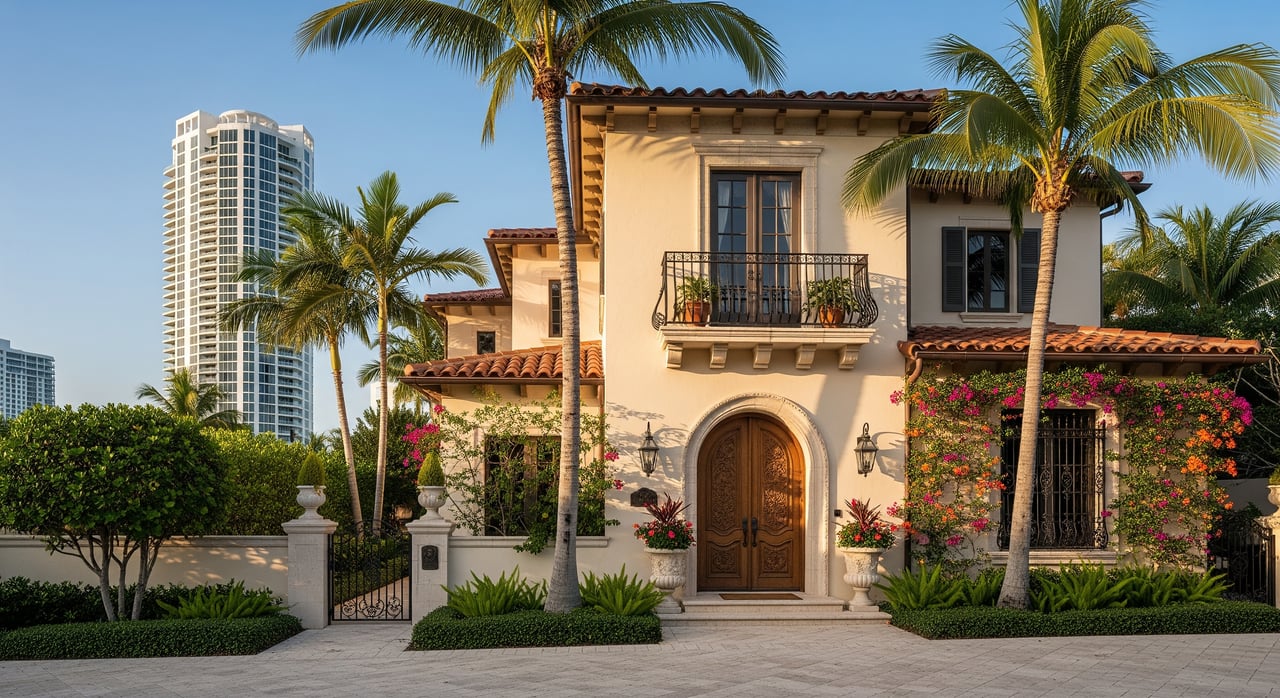
Pinecrest is an incorporated village in Miami‑Dade known for low‑density, single‑family neighborhoods, mature landscaping, and a strong residential character. You will find a mix of established homes and newer luxury rebuilds on larger lots, including some gated and deed‑restricted enclaves.
Local services are handled by the village, including parks, community programs, and municipal policing. This small‑scale, suburban feel sits inside the greater Miami metro, which helps you balance privacy with fast access to major roads, retail, and dining.
Pinecrest’s housing stock is primarily single‑family homes. Condos and multifamily options are limited, and many streets feature larger parcels and lush tree canopy. In recent years, teardown‑and‑rebuild activity has produced modern estates alongside renovated mid‑century houses.
Your budget should include more than the purchase price. In South Florida, homeowners insurance can be higher than the national average due to hurricane exposure, and flood insurance may be required depending on the property’s FEMA flood zone. Property taxes vary by address and assessed value, and homestead exemptions can affect taxable value.
Some areas are governed by HOAs or deed restrictions, while many are not. During due diligence, review recorded documents, fees, architectural guidelines, leasing rules, and any special assessments.
Move‑in‑ready homes on larger lots can be competitive. Set alerts for new listings and be prepared with pre‑approval or proof of funds. If you plan to renovate or build, factor in permitting timelines and contractor availability early.
Pinecrest is served by Miami‑Dade County Public Schools. Because boundaries and magnet eligibility can change, always verify school assignments for a specific address with the district. Families also explore nearby private and independent options. To compare academics and programs across schools in and around Pinecrest, review objective resources and school websites before applying.
Most homes in Pinecrest receive electric service from the regional utility. Water and sewer are typically provided by the county. The village site lists solid waste and yard waste schedules along with local parks and programs. Internet and TV providers vary by street, and some areas have fiber. Confirm availability during inspection and prior to closing.
Pinecrest sits near US‑1 and the Palmetto Expressway, giving you access to Coral Gables, South Miami, Downtown, and Kendall. Public transportation is available through county bus routes, while heavy rail access is limited within village boundaries. Travel times to Miami International Airport and downtown vary by time of day, so test your commute at typical rush hours.
Hurricanes and tropical storms are part of South Florida life. Plan for impact windows or shutters, roof reinforcements, and a family hurricane plan. Flood risk should be evaluated for every property, even if it is not in a high‑risk zone. Lenders may require flood insurance in designated zones, and an elevation certificate can help clarify your premium.
Major structural changes, additions, pools, and most mechanical work require permits through Miami‑Dade, with Pinecrest applying local rules and processes. Work only with licensed and insured contractors who understand county codes. If you aim to rebuild or execute a large renovation, review village planning resources and county permit procedures before you finalize your offer.
Relocating to Pinecrest is easier when you have a guide who understands both the market and the buildings. If you plan to renovate, rebuild, or simply want a move‑in‑ready home, you will benefit from expert negotiation, permit awareness, and a vetted vendor network. For boutique, bilingual representation paired with practical construction insight, connect with Yipsis Orozco‑Ruiz. Let’s map your move, compare neighborhoods, and build a clear plan from search to closing.
Stay up to date on the latest real estate trends.






Whether your getting ready to buy or sell, in the middle of it, or just looking for some answers, we can help. With my knowledge of construction and remodeling.
Get In Touch With Our Team To Learn More

UNITED REALTY GROUP
YIPSIS OROZCO-RUIZ
Real Estate Agent
[email protected]
YAELYN AZCUNCE
Real Estate Agent
(786) 486-6854
SERVING CLIENTS IN:
12060 SW 129th Ct, Suite 203
Miami, FL 33186