
Pricing Strategy For Coral Gables Luxury Homes
December 25, 2025
December 25, 2025
Are you wondering what price will unlock top offers for your Coral Gables luxury home? You are not alone. The right number attracts the right buyers, keeps your days on market low, and protects your negotiating power. In this guide, you will learn how the Coral Gables luxury segment works, how to choose a list price with confidence, and which tactics help you achieve it. Let’s dive in.
In Coral Gables, luxury typically refers to the upper slice of the market, often $1 million and above, with many estates trading above $2 million and waterfront properties much higher. The exact threshold shifts with market conditions. Use recent local MLS data to define today’s luxury tier and to set realistic expectations. Treat luxury as a moving target that requires fresh comps every time you list.
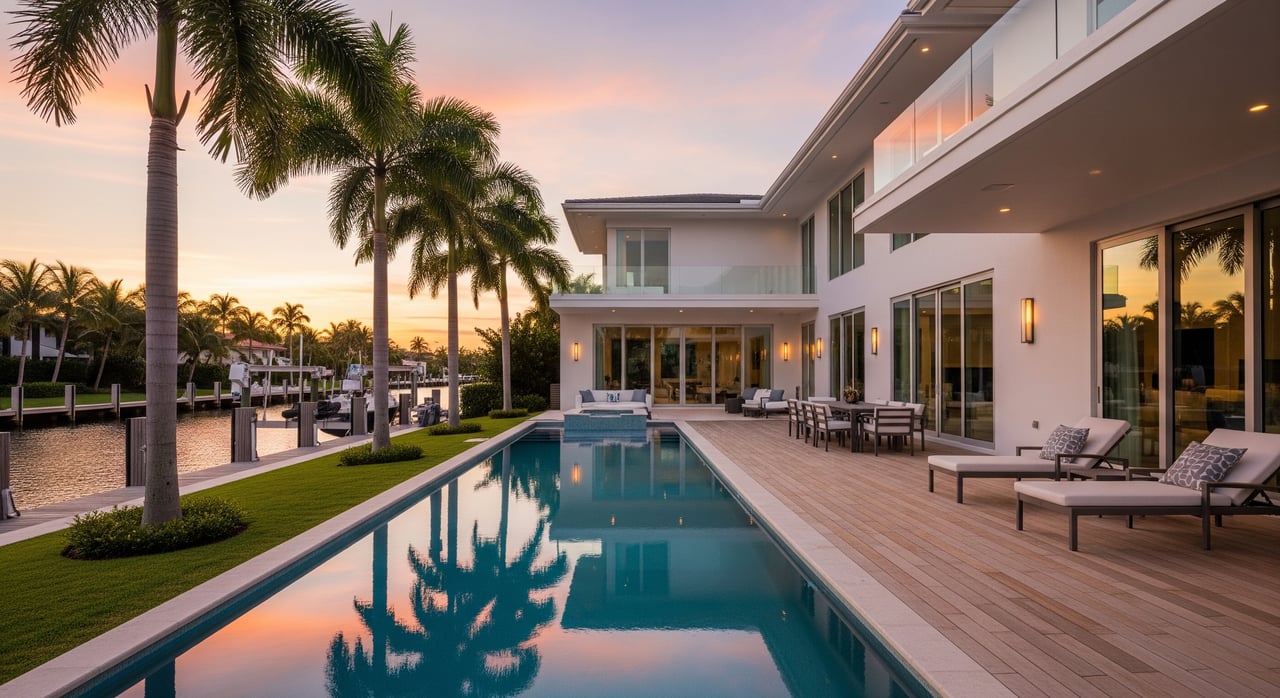
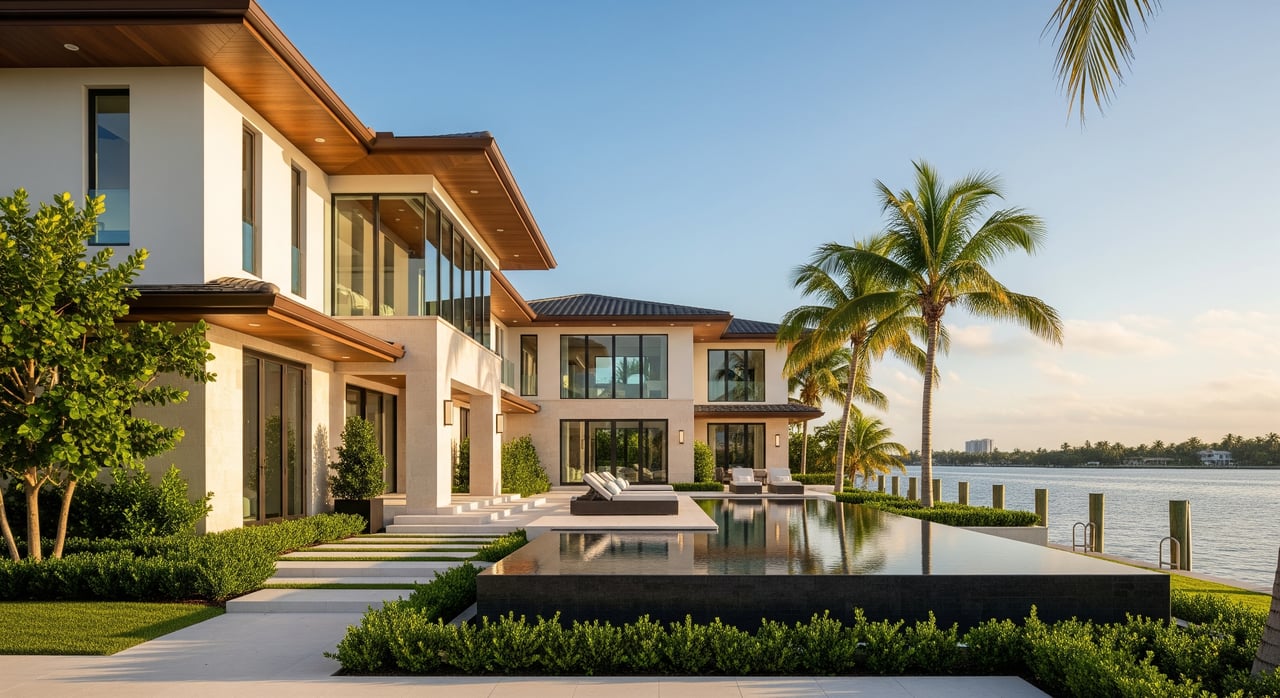
Coral Gables is a market of micro-locations. Subareas such as Gables Estates, Cocoplum, Old Coral Gables, the Golf Course area, and Coral Gables Country Club each carry distinct pricing patterns. Waterfront brings substantial premiums for direct water access, deeper dockage, and wide-bay views. Lot size, orientation, and ocean access can shift value more than raw square footage.
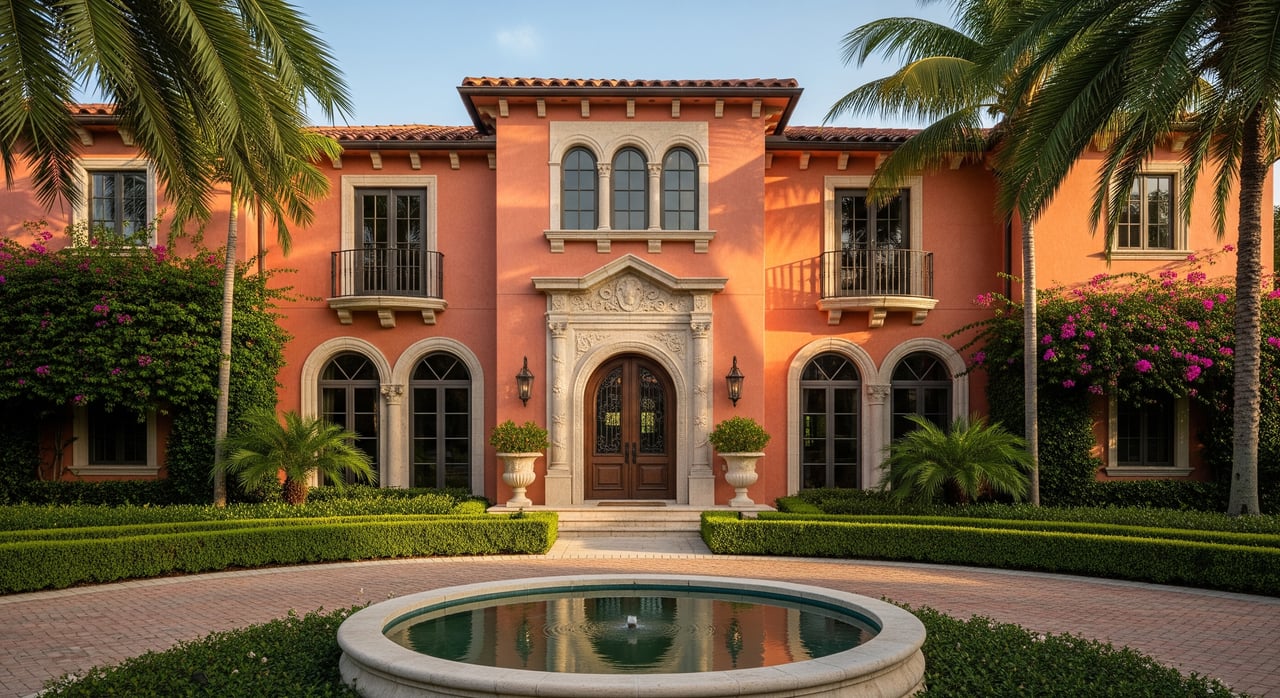
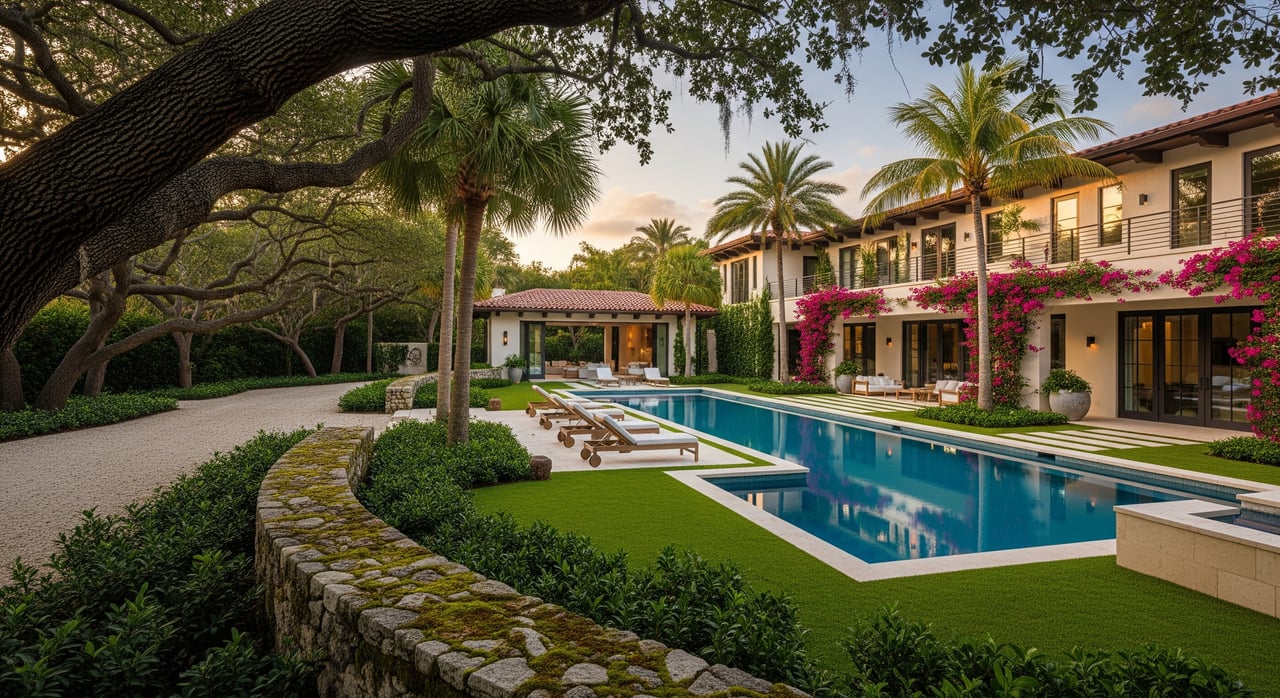
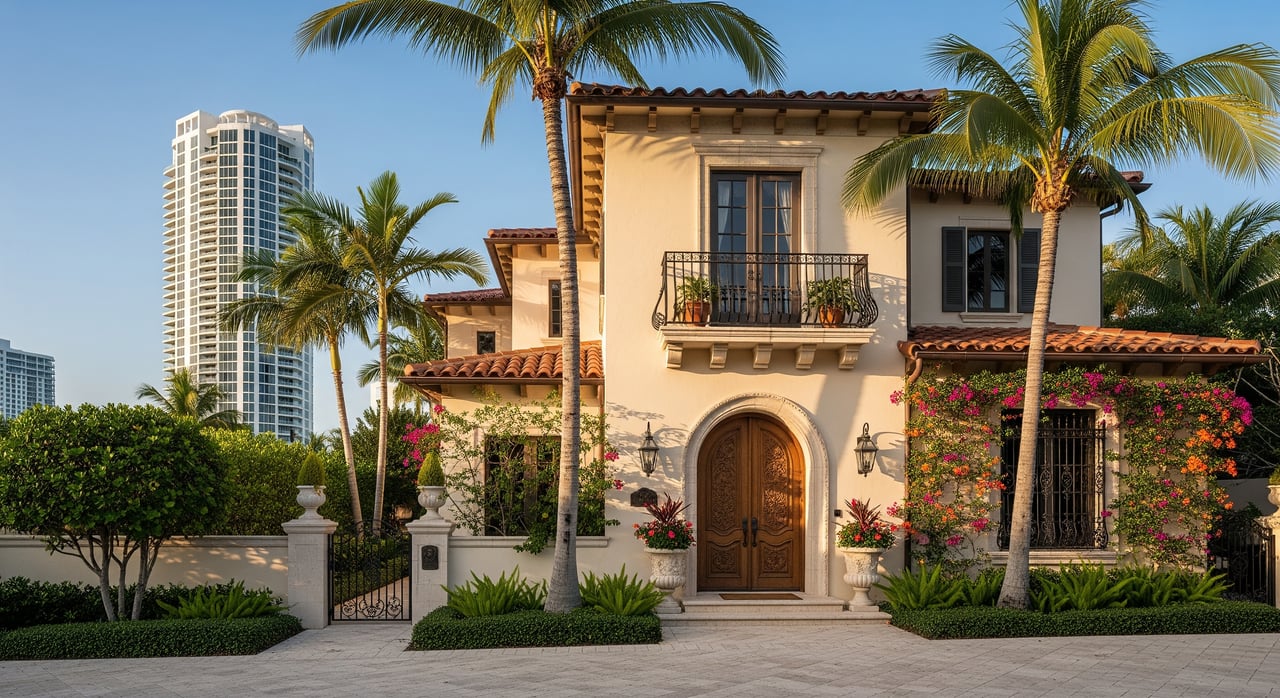
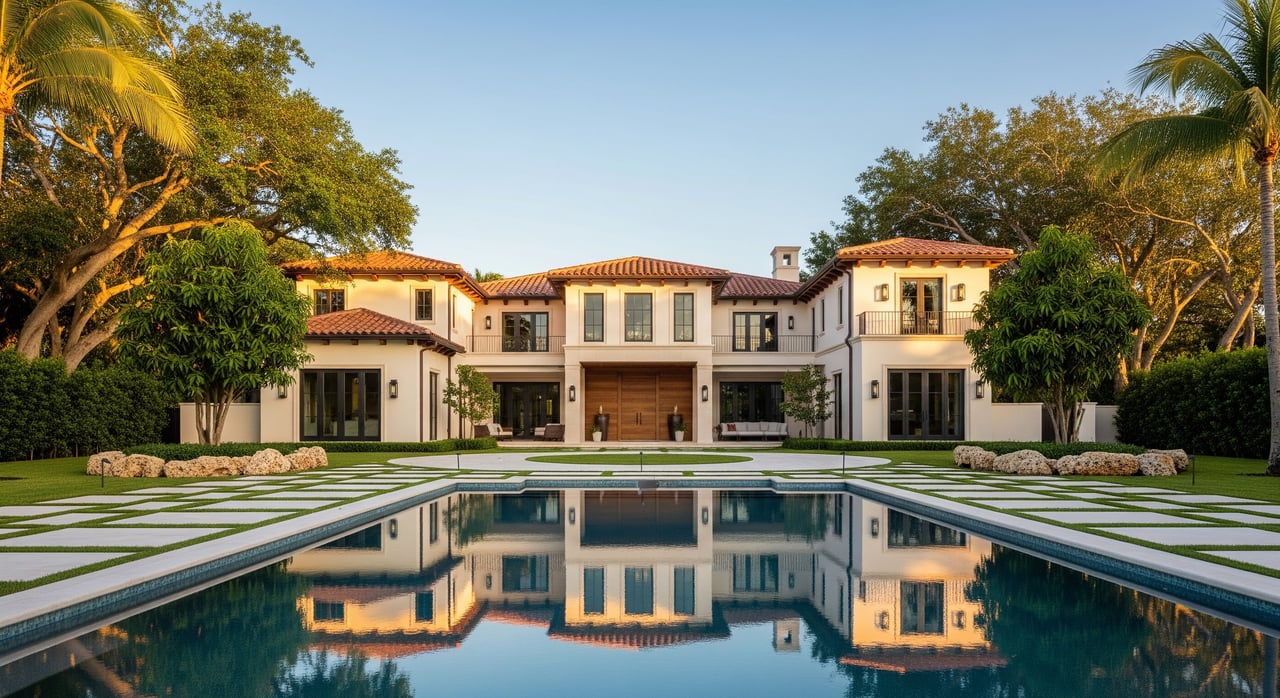
Luxury buyers value design, not just size. Historic Mediterranean Revival homes and modern new builds can both command premiums when the finishes, systems, and layout feel cohesive. Features like high ceilings, a functional bedroom-bath count, guest or staff quarters, hurricane protections, and seamless indoor-outdoor flow all affect perceived value. Price per square foot is only a starting point in this tier.
Inventory levels and absorption rates shape pricing power. When inventory is tight, list-to-sale ratios tend to rise and negotiation windows shrink. Interest rates influence financed buyers, while cash buyers remain active in this segment. International demand is a regular driver in the Miami–Miami Beach–Kendall metro, so currency moves and global events can quickly affect the buyer pool.
Florida’s lack of personal income tax is a draw for high-net-worth buyers. Property taxes, HOA fees, and special assessments still impact carrying costs, so buyers will price them in. In certain Coral Gables districts, historic guidelines or coastal permitting rules can limit expansion or dock work. Clear documentation on status, flood elevation, and insurability helps support your price.
Start with a Comparative Market Analysis focused on your micro-neighborhood and most similar attributes. Match lot size, water access, age, renovation level, and amenities. Widen the radius only when necessary and document each adjustment, such as dock length or recent remodels. A clear adjustment narrative helps buyers and appraisers see the value.
Price per square foot is helpful for a quick check, but it is not decisive in luxury. Waterfront exposure, privacy, outdoor living areas, and architectural pedigree can outweigh square footage. Use paired sales where you can isolate the impact of a feature, then reconcile to a realistic range instead of a single number.
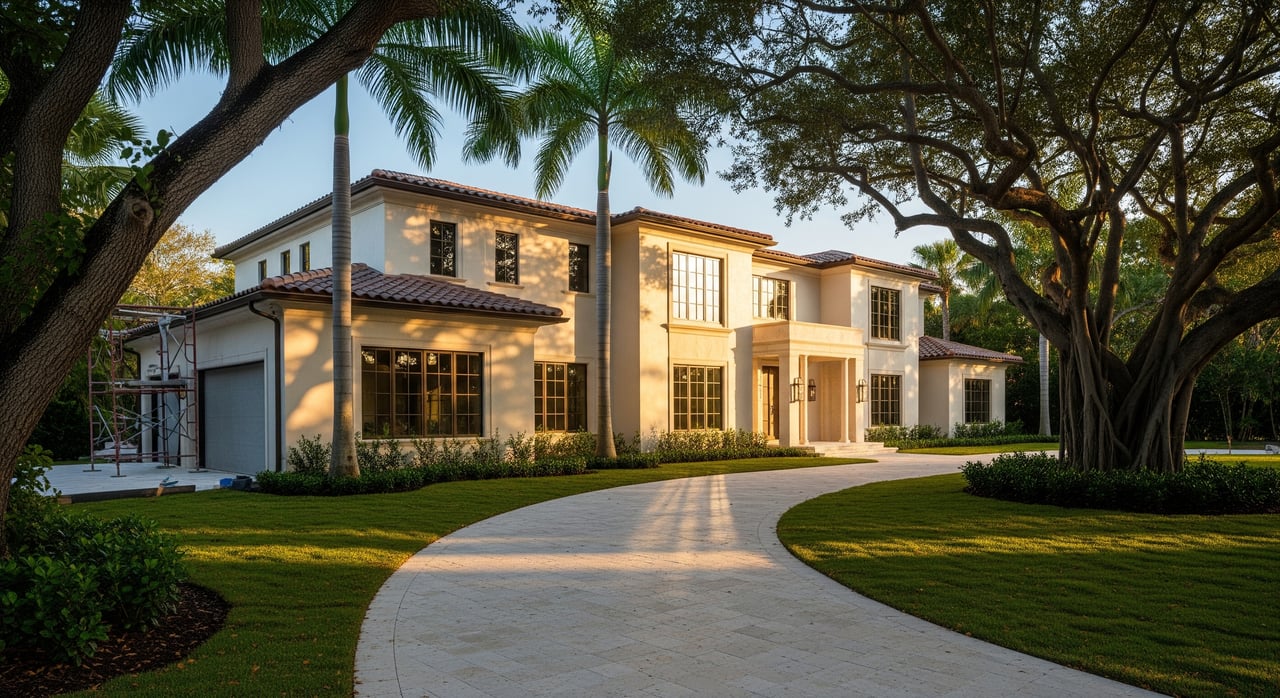
For new or fully renovated homes, compare to recent new-construction sales and consider land value plus replacement cost. This gives you a sanity check and supports conversations with buyers who value “turnkey” benefits. Bring invoices or credible estimates to show the level of investment.
If your estate is truly unique, consider a two-step approach. First, frame a market price range with the best-available comps and documented adjustments. Then choose a strategy that matches your timing and risk tolerance, from market pricing to aspirational pricing. Support uniqueness with architect credentials, awards, and permits to help justify the premium.
List near the reconciled CMA value. This tends to attract serious buyers faster and protects your days on market. It works well in balanced or softening conditions where overreaching may lead to lingering.
Listing a touch below market can draw more showings and potentially trigger multiple offers if inventory is limited. It is effective for broadly appealing homes with great presentation. It is riskier in slower markets or for atypical properties.
If you can wait for the right buyer and your property is rare, you may test the market above the CMA range. This sets a premium anchor. Be prepared for longer timelines and a clear plan for a future reduction if activity is weak.
Some sellers value discretion, especially in gated or waterfront enclaves. A pocket listing can reach a curated pool of buyers, but it also limits exposure and competitive tension. Balance privacy needs with your liquidity goals and discuss the tradeoffs before deciding.
Professional staging helps luxury buyers connect with the lifestyle your home offers. High-end photography, twilight images, aerials, floor plans, 3D tours, and polished video are the standard at this level. These assets expand your buyer pool and can improve your final price.
Syndicate to the local MLS and distribute through premium digital channels and luxury networks. Coordinate private showings, broker events, and targeted outreach to high-net-worth buyers and relocation partners. Time your launch during peak activity windows, which often run from fall through spring in South Florida.
Small changes can move your home into a different buyer band, such as below $2 million or in the $2 to $3 million tier. Aim for the band that best fits your home’s strength and your strategy. Align your marketing and showing plan with that buyer cohort.
Request proof of funds for cash offers and strong pre-approval for jumbo loans. A well-qualified buyer strengthens your negotiating position and reduces the risk of delays. Clear vetting also protects the privacy and security of high-profile properties.
You own a renovated six-bedroom home on a half-acre lot with open-bay views and a long dock. Your CMA should prioritize other waterfront sales with similar dockage and water exposure, then adjust for lot depth, renovation level, and orientation. If inventory is tight, a market price or slight underpricing could create multiple strong offers. Document flood elevation, seawall permits, and hurricane protections to reinforce value.
You have a Mediterranean Revival house with restored details and updated systems. Comps should include historic or architecturally significant sales, plus recent renovated homes on similar streets. Historic status may justify a premium for craftsmanship, yet it can limit certain expansions. A market price with premium presentation often draws design-focused buyers who value authenticity.
Expect negotiation on price, closing date, and contingencies such as inspections, seawall and dock evaluations, and mechanical systems. Credits for updates, rate buydowns, or included fixtures may help bridge small gaps. If a reduction is needed, one meaningful adjustment is usually better than several small cuts. Monitor showing feedback and make data-driven decisions based on the latest MLS activity.
Plan for typical seller costs such as broker commissions, prorated property taxes, documentary stamps on the deed, and title-related items based on local practice. Florida has no state income tax, but federal capital gains rules still apply, and 1031 exchange rules differ for investment property. Check the Miami‑Dade Property Appraiser’s guidance and consult your tax advisor and attorney for specifics. Buyers will also evaluate HOA dues, insurance, and maintenance, which factor into their offer strength.
When you price a Coral Gables luxury home well, you do more than hit a number. You create a clear value story that buyers and appraisers can follow, then back it up with presentation, timing, and thoughtful negotiation. With boutique representation and practical construction insight, you can move forward with confidence.
Ready to price and position your home for a successful sale? Connect with Yipsis Orozco-Ruiz for a private valuation and a tailored plan in English or Spanish.
Stay up to date on the latest real estate trends.
Whether your getting ready to buy or sell, in the middle of it, or just looking for some answers, we can help. With my knowledge of construction and remodeling.
Get In Touch With Our Team To Learn More

UNITED REALTY GROUP
YIPSIS OROZCO-RUIZ
Real Estate Agent
[email protected]
YAELYN AZCUNCE
Real Estate Agent
(786) 486-6854
SERVING CLIENTS IN:
12060 SW 129th Ct, Suite 203
Miami, FL 33186