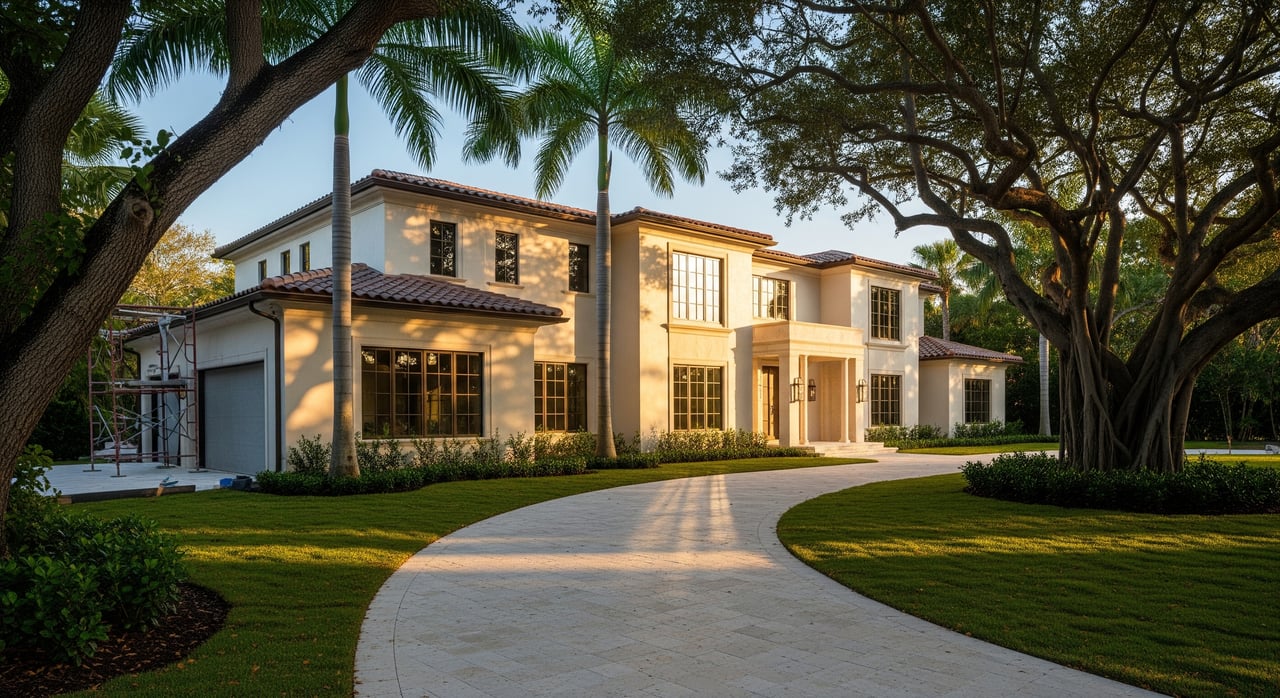
Pinecrest Fix and Flip Permits and Project Timelines
January 1, 2026
January 1, 2026
Thinking about a Pinecrest fix-and-flip but unsure how permits and timelines will affect your budget and resale date? You are not alone. Between local tree rules, hurricane-rated products, and flood regulations, a smart plan can save you weeks and real money. In this guide, you will learn which permits you need, how long approvals usually take, what can slow you down, and how to set a realistic schedule from demo to list. Let’s dive in.
Major structural changes typically require a building permit. This includes additions, moving load-bearing walls, foundation repairs, and large remodels. Significant scopes usually need drawings stamped by a Florida-licensed architect or engineer.
New circuits, panel changes, service upgrades, and added or relocated wiring require permits and inspections. Plan ahead so rough-in inspections line up with framing.
Replacing stacks, rerouting supply or drain lines, and adding new fixtures generally requires a permit. New water heaters are typically permitted as well.
New systems or equipment replacements that change ductwork or fuel connections require permits. Schedule rough mechanical inspections before insulation and drywall.
Reroofs require permits in Miami-Dade. You will need approved roofing systems that meet wind standards and proper installation details. Build time for final inspections after the work is complete.
Impact-rated windows and exterior doors typically require permits and product approval documentation. Plan to submit Miami-Dade compliant product approvals with your application.
Pools and spas require separate permits, safety measures, and inspections. Electrical and gas lines associated with pools also need permits.
Full or partial demolition usually requires a demo permit and utility disconnect verifications. Some projects use a phased approach that starts with demo while plans for the full scope are under review.
New lines, appliances, or meter changes require permits, pressure tests, and inspections.
Driveways, fences, sidewalks, retaining walls, and grading often need permits or approvals. Pinecrest’s tree and landscape rules can influence these scopes, so verify early.
Pinecrest has tree protection ordinances. Removal or significant trimming often requires approval and possible mitigation. Do not start tree work until you confirm the rules for your lot.
Single-family flips typically do not need a new Certificate of Occupancy if the use does not change. You still need final inspections and permit close-out to confirm safety and completion.
Cosmetic, non-structural work like painting and flooring is often exempt. Strict like-for-like replacements for plumbing or electrical may or may not require a permit. Always confirm with the local building department before you begin.
The Florida Building Code sets the minimum standards enforced locally. Renovations can trigger upgrades, so review scope and code implications during design.
Hurricane resistance is critical. Miami-Dade maintains product approvals for roof systems, windows, doors, and shutters. Verify your chosen products meet these standards before ordering.
If a home is in a flood zone, improvements that equal or exceed 50 percent of the structure’s market value can trigger substantial improvement rules. This can mean costly elevation or compliance measures, so run the math early and consult the local floodplain administrator.
Setbacks, lot coverage, driveway and curb cut rules, and tree regulations all affect design and timing. Architectural or site plan review may be required for visible exterior changes or larger rebuilds.
Florida state contractor licenses are typically required for electrical, plumbing, roofing, and major trades. Local registration, insurance, and business tax receipts may also be required.
Permit and plan review fees are a real line item. They are typically calculated by valuation or by a fee schedule and can include impact or specialty fees. Budget for them from day one.
Verify state licenses, local registrations, and insurance. Many municipalities require the contractor to be the permit holder on trade permits.
Owner-builder permits exist in limited cases, but they carry legal and insurance responsibilities. They can affect resale and lender acceptance, which is why many investors avoid this route.
Underwriters and insurers often require permits for material work. Unpermitted work discovered during a sale can delay closing and reduce proceeds due to corrective steps.
Crossing the 50 percent threshold in a flood zone can trigger elevation and compliance work that changes the project’s economics. Run cost versus market value early and consult the local floodplain administrator.
Buyers commonly expect permits for major renovations. If past work was not permitted, you may have to pursue after-the-fact permits, complete corrections, or disclose, which can delay closing.
Architectural controls and deed restrictions can affect exteriors and timelines. Coordinate HOA approvals in parallel with municipal permits.
You want a clean, market-ready finish and a smooth exit. Our team combines boutique brokerage with practical renovation and permitting guidance so you move from acquisition to list without surprises. We help you scope the permit path, align product approvals, anticipate floodplain and tree constraints, coordinate with licensed trades, and keep permit records ready for buyer and lender review.
When your project is complete, our premium marketing brings the home to market with professional imagery, virtual tours, and targeted exposure across Miami-Dade, including Pinecrest and nearby neighborhoods in the Miami–Miami Beach–Kendall area. If you are evaluating a potential flip or need help course-correcting a current one, let’s talk. Work with Yipsis Orozco-Ruiz for a streamlined plan from design to market. Hablamos español.
Stay up to date on the latest real estate trends.




Whether your getting ready to buy or sell, in the middle of it, or just looking for some answers, we can help. With my knowledge of construction and remodeling.
Get In Touch With Our Team To Learn More

UNITED REALTY GROUP
YIPSIS OROZCO-RUIZ
Real Estate Agent
[email protected]
YAELYN AZCUNCE
Real Estate Agent
(786) 486-6854
SERVING CLIENTS IN:
12060 SW 129th Ct, Suite 203
Miami, FL 33186