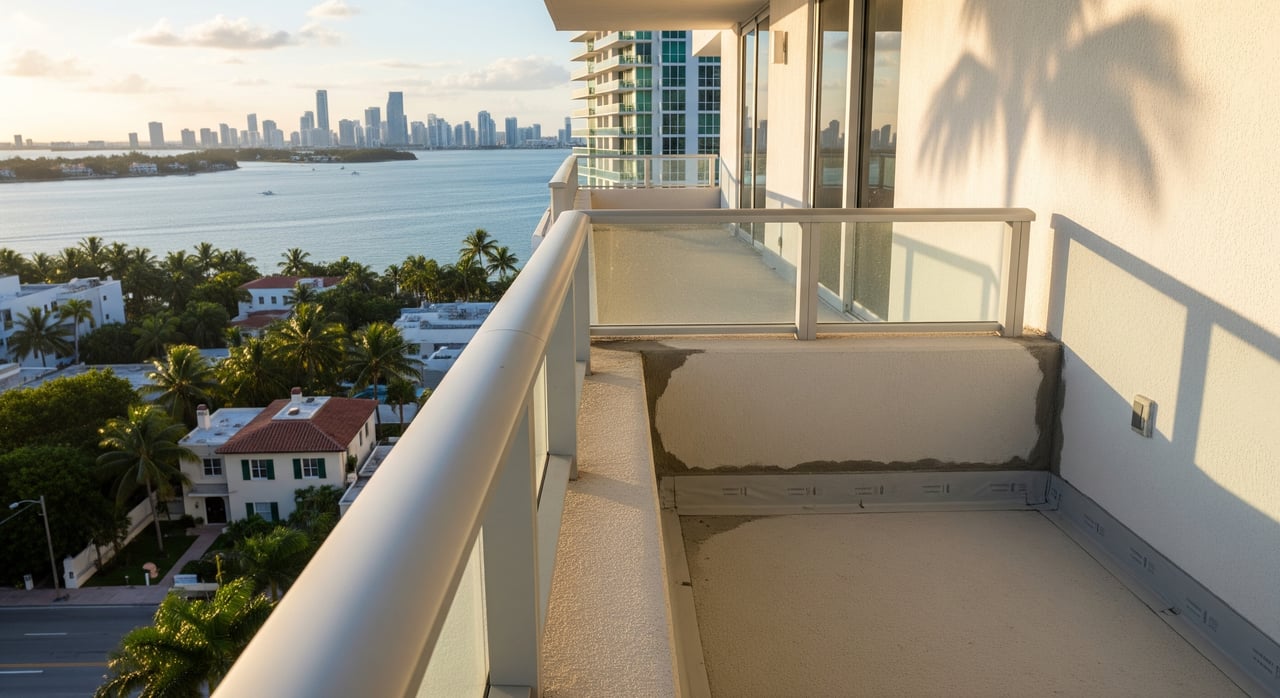
Miami 40-Year Recertification for Condo Buyers & Owners
December 4, 2025
December 4, 2025
Is your Miami condo approaching its 40-year mark, or are you eyeing a unit in an older building? You are not alone if the recertification process feels confusing or costly. The rules are technical, the timelines can be tight, and the decisions affect your budget and resale plans. In this guide, you will learn what the 40-year condo recertification is, how it works in Miami-Dade, and how it impacts you as an owner, buyer, or seller. Let’s dive in.
Miami-Dade’s 40-year recertification is a safety inspection program for multi-story residential buildings, including condominiums and cooperatives. The first recertification is due 40 years after the building’s original Certificate of Occupancy or substantial completion. After that, recertification typically repeats every 10 years.
A Florida-licensed structural engineer or registered architect performs the inspection. The goal is to confirm the building is safe for continued occupancy and to identify repairs that protect residents and the public. The association then submits the signed and sealed report to the county for review.
You can find official guidance, forms, and submittal steps through the Miami-Dade County Building Division, part of the Department of Regulatory and Economic Resources. For general program resources, review the county’s Building Division page at the Miami-Dade County Building Division.
The program exists to catch structural, electrical, and life-safety issues before they become hazards. Public attention increased after the June 24, 2021 collapse at Champlain Towers South in Surfside, which is in Miami-Dade County. For background on the event and its national impact, see reporting on the Surfside building collapse.
While there has been discussion about earlier inspection timelines for some coastal buildings and stronger funding requirements, the core process remains. Licensed professionals inspect, associations file reports, and required repairs move through permits and inspections.
During recertification, the professional focuses on systems that affect safety and structural performance. Common areas of review include:
The deliverable is a written report that states whether the building is safe for continued occupancy and lists recommended repairs and maintenance. If issues are found, the report will outline a repairs plan, and contractors will pull permits for the work.
The condominium association is responsible for compliance. The board hires the licensed engineer or architect and coordinates access for inspection. After the inspection, the association submits the signed and sealed report and any forms the county requires.
Miami-Dade reviews the submission and may ask for clarifications or identify permits needed for repairs. Significant structural repairs typically require permits. The county inspects that work before the building receives final approval for the recertification cycle.
For the legal and governance framework behind association duties, see Florida’s Condominium Act in Florida Statutes, Chapter 718.
Every building is different, but most associations follow this general flow:
Local deadlines and forms are set by Miami-Dade County. For the most current steps and requirements, consult the Miami-Dade County Building Division.
Associations must fund inspections and required repairs to common elements. Costs are paid from reserves or through special assessments. If reserves are not sufficient, boards may secure financing or levy assessments according to governing documents and state law.
Owners feel the impact through timelines, building access during work, and potential assessments. Good communication from the board can reduce surprises. It also helps to review the latest reserve study and plan for near-term work that the engineer identifies.
For the technical framework that underpins permits and repairs, refer to the Florida Building Code.
Common issues in South Florida include concrete spalling and exposed reinforcing steel, corrosion at balcony connections, water infiltration, cracked or settling slab elements, rusted fasteners, failing sealants, and outdated electrical equipment. Some buildings need only maintenance-level work. Others require full structural restoration of parking decks, balconies, or façade elements.
Costs vary significantly. Localized repairs can be a few thousand dollars. Complex structural rehabilitation can reach hundreds of thousands or even millions for large properties. Always obtain multiple estimates from qualified contractors and rely on the engineer’s prioritized scope.
If you are considering a condo in Miami-Dade, make recertification part of your offer strategy. Ask for:
These items help you price risk, plan your timeline, and avoid last-minute delays.
If you are selling in a building approaching or undergoing recertification, get in front of disclosures. Provide buyers with the engineer’s report, permits, invoices, and any assessment letters. Clear documentation builds confidence and can protect you from closing delays.
Pricing strategy should consider the scope and timing of repairs and any assessments that a buyer will assume. Your agent can help you position the property and communicate the building’s repair plan to buyers and their lenders.
Lenders and title companies may ask for confirmation that the building is not in violation of local recertification requirements. Large special assessments or known repair projects can affect condo project approval and insurability. In some cases, closings proceed with disclosed assessments or escrow arrangements. Outcomes depend on lender policies and the building’s condition.
Recertification does not replace property or liability insurance. Significant structural findings may trigger insurer review and changes to coverage terms or rates. Work closely with the association and your insurance broker to stay informed.
After Surfside, public agencies elevated enforcement and transparency. There is greater attention on the timing of inspections, the strength of reserve funding, and making engineering information available to residents. Some jurisdictions discussed earlier inspection schedules for coastal buildings. Implementation varies by municipality and is subject to ongoing rulemaking.
In Miami-Dade, the fundamental process remains. Licensed professionals inspect, associations submit, and required repairs move through permits and inspection under the Florida Building Code and local procedures.
You deserve a guide who understands both the market and the buildings themselves. With boutique, high-touch service and hands-on construction and development advisory, our team can help you evaluate recertification risks, request and interpret the right documents, and shape a smart negotiation plan. Whether you are buying, selling, or preparing a unit for market in Coral Gables, South Miami, Coconut Grove, Kendall, Pinecrest, or nearby neighborhoods, we will help you navigate each step with clarity and confidence.
Ready to discuss your building or your next move? Connect with Yipsis Orozco-Ruiz to plan your strategy.
Stay up to date on the latest real estate trends.





Whether your getting ready to buy or sell, in the middle of it, or just looking for some answers, we can help. With my knowledge of construction and remodeling.
Get In Touch With Our Team To Learn More

UNITED REALTY GROUP
YIPSIS OROZCO-RUIZ
Real Estate Agent
[email protected]
YAELYN AZCUNCE
Real Estate Agent
(786) 486-6854
SERVING CLIENTS IN:
12060 SW 129th Ct, Suite 203
Miami, FL 33186