Condo Vs. Townhouse: What Fits In Miami?
December 11, 2025
December 11, 2025
Wondering if a condo or a townhouse fits your Miami life best? You’re not alone. In a market shaped by coastal weather, building age, and evolving rules, the right choice depends on how you want to live, what you want to own, and how you plan to finance and insure it. This guide breaks down the differences, Miami-specific risks, costs, and checklists so you can move forward with confidence. Let’s dive in.
In a Florida condo, you own the interior of your unit and share ownership of the common elements like the land, structure, halls, elevators, and amenities through the association. Condo communities are governed under Florida’s Condominium Act, Chapter 718. The association manages maintenance, budgets, and assessments for the shared systems.
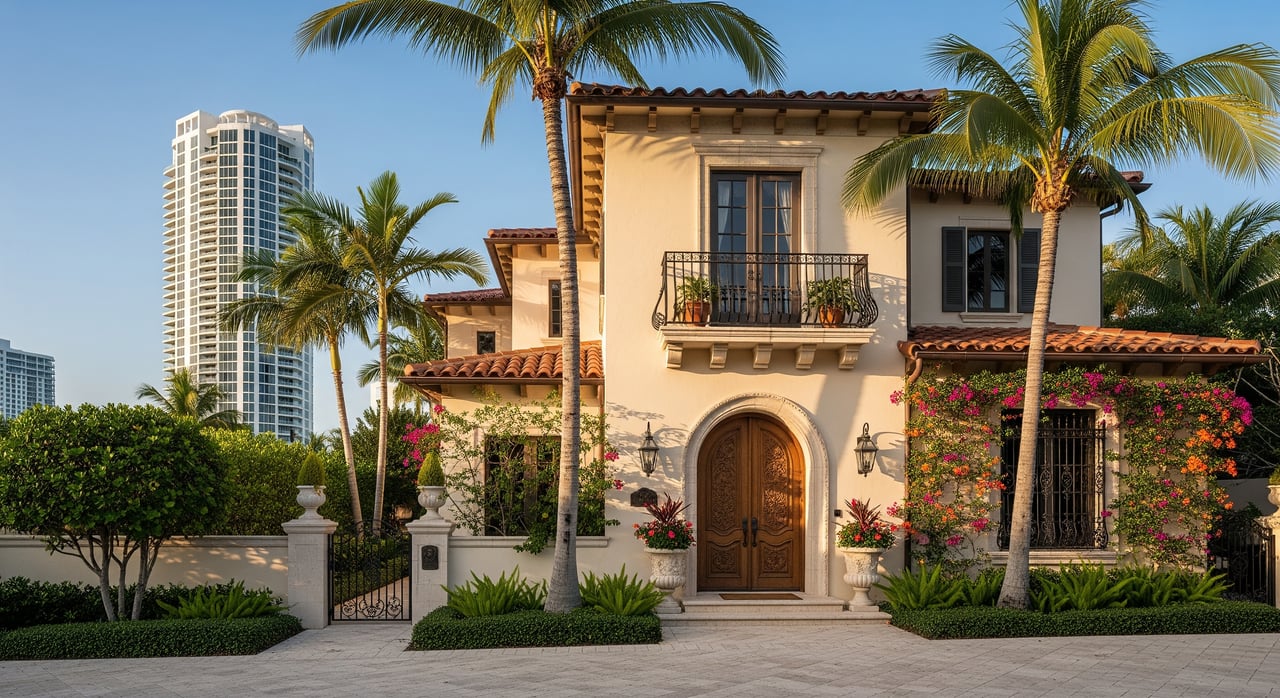
In most Florida townhouse communities, you typically own the structure and the land beneath it as fee simple property. Many townhouses are part of a homeowners’ association that manages shared areas. These HOAs are commonly governed by Chapter 720, although some townhouse developments are legally set up as condos, so it’s important to confirm the legal form.
Condo associations and HOAs operate under different statutes with different meeting, record, and budget rules. Condos often handle big-ticket shared systems like roofs, façades, waterproofing, elevators, and garages. Townhouses usually have fewer shared structural elements, which can change reserve needs and the likelihood of special assessments.
High-rise and mid-rise condos are concentrated in areas like Brickell, Downtown, Edgewater, and Miami Beach. Many offer resort-style amenities and appeal to residents who want walkability and views. Short-term rental demand exists in tourist-heavy areas, but rules vary by building and municipality.
You’ll find more townhouses and low-rise communities across Kendall, Westchester, parts of Doral, Cutler Bay, and Hialeah, plus select options in Coral Gables, Coconut Grove, and some infill developments. Townhouses often provide direct exterior access, parking, and small yard or patio spaces.
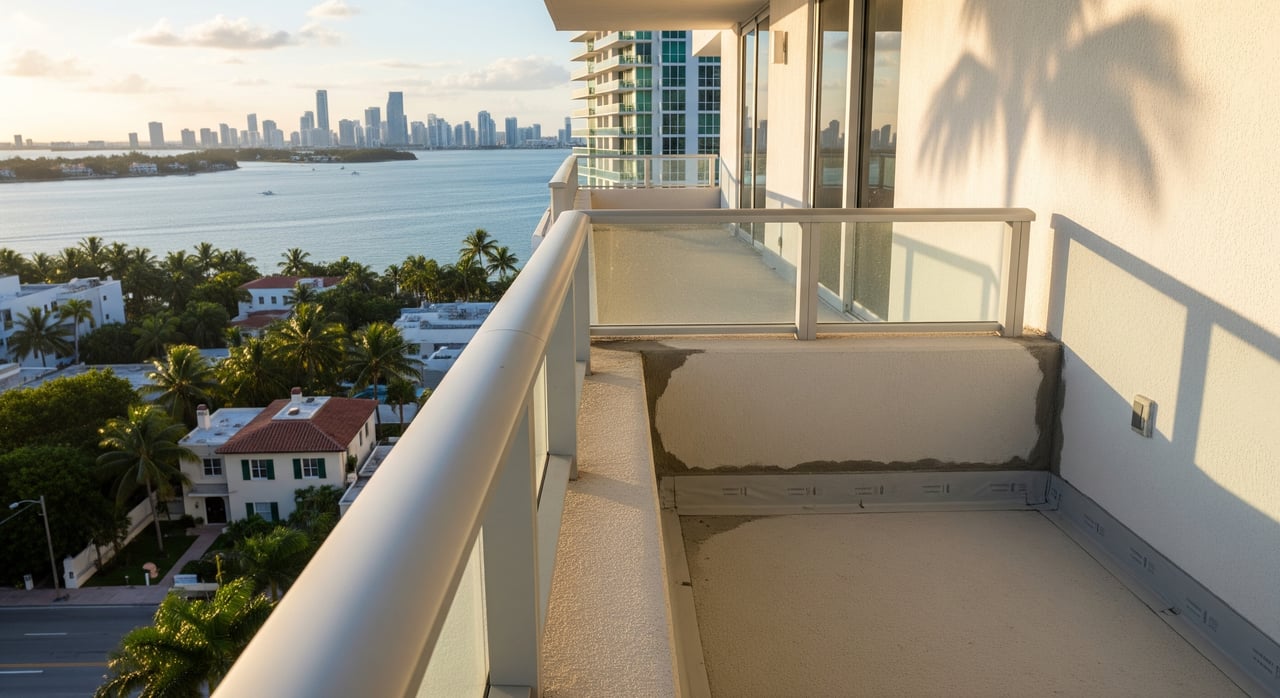
Many coastal towers date from the 1960s to 1980s. Older concrete buildings exposed to salt air can face significant capital projects over time, such as façade repairs or waterproofing. In general, the older and larger the building’s shared systems, the more important it is to review reserves and inspection history.
After the 2021 Surfside collapse, Miami-Dade communities have seen heightened attention on structural safety, reserve funding, and transparent association governance. Expect more inspections, engineering reports, and a focus on adequate reserves in many condo communities. Check the current Miami-Dade recertification and inspection timelines when evaluating specific buildings.
Many Miami-Dade neighborhoods fall within FEMA flood zones. Ground-level townhouse units on lower lots can face different flood exposures than upper-floor condo units, but high-rises still carry flood and wind risks for ground-level common areas and parking. Elevation, building design, and flood zone drive lender requirements and insurance costs.
Condo fees are often higher when buildings include elevators, security, pools, gyms, and staff. Those costs fund operations, reserves, and insurance for shared elements. Townhouse HOA fees can be lower, but costs vary widely depending on what’s covered, like exterior maintenance, landscaping, or shared roads.
Both condos and townhouses can levy special assessments. Older condos with large shared systems are more likely to face big capital projects. Always review the reserve study, budget, board meeting minutes, and history of assessments before you decide.
Lenders underwrite the condo project itself in addition to your loan. They look at reserves, budget, owner-occupancy, litigation, and more to confirm eligibility under Fannie Mae, Freddie Mac, FHA, or VA guidelines. Some projects may be ineligible with certain lenders, so get project eligibility checked early.
If the townhouse is fee simple and not legally a condominium, lenders usually treat it like a single-family home, which can simplify financing. You still need to review HOA documents for rules, budgets, and reserves.
You want a low-maintenance lifestyle with amenities and a lock-and-leave setup close to urban cores like Brickell, Downtown, or Miami Beach. You are comfortable with shared walls, elevators, and association rules. You value views, a staffed front desk, or on-site amenities more than private yard space.
You prefer direct exterior access, private or semi-private outdoor space, and the feel of fee simple ownership. You want easier parking, potentially lower monthly fees, and fewer vertical shared systems. You plan to stay longer term and value neighborhood context and privacy.
Miami’s tourism draws strong short-term rental demand, but rules vary by municipality and by building. Miami Beach has strict enforcement of short-term rental regulations in many areas. The City of Miami and unincorporated Miami-Dade have their own rules and permits. Your association documents may also restrict rentals, both short and long term. Always confirm local ordinances and the community’s governing documents before you buy.
Ready to compare real options across Miami-Dade and find your fit? Connect with Yipsis Orozco-Ruiz for clear guidance on neighborhoods, buildings, financing considerations, and a plan tailored to your goals.
Stay up to date on the latest real estate trends.







Whether your getting ready to buy or sell, in the middle of it, or just looking for some answers, we can help. With my knowledge of construction and remodeling.
Get In Touch With Our Team To Learn More

UNITED REALTY GROUP
YIPSIS OROZCO-RUIZ
Real Estate Agent
[email protected]
YAELYN AZCUNCE
Real Estate Agent
(786) 486-6854
SERVING CLIENTS IN:
12060 SW 129th Ct, Suite 203
Miami, FL 33186